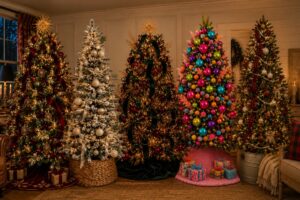
Heritage Christmas Tree: The Whole Build for $1,359
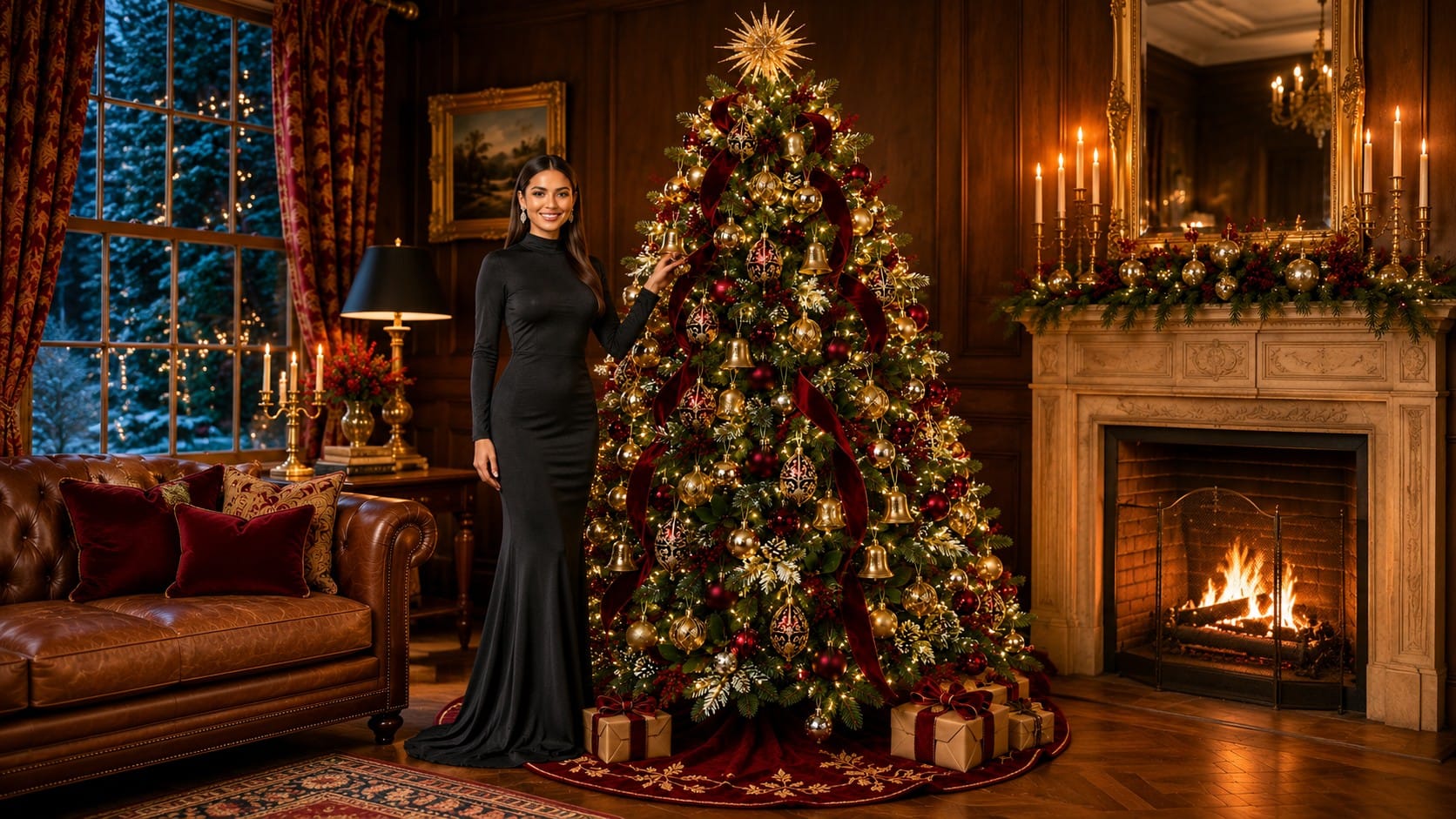
Lexi here.
One thousand three hundred and fifty-nine dollars. Four times what any other tree in this series costs, and I am not going to soften that or pretend it is an investment in disguise.
What I will do is show you exactly where the money goes, and be honest that most of it goes to two decisions. If you disagree with those two, everything else here is affordable and the whole build comes down to about three hundred and fifty dollars — which puts it right alongside every other tree we have shown you.
The six layers
| Layer | What I used | Qty | Cost |
|---|---|---|---|
| The tree | Balsam Hill BH Fraser Fir 7.5ft, pre-lit | 1 | $999.99 |
| Lights | Included in the tree | — | $0 |
| Ornaments | Balsam Hill Brilliant Bordeaux, 6ct | 2 | $198.00 |
| Ribbon | LaRibbons 4″ burgundy velvet | 3 | $77.97 |
| Fillers | Panelee cone and berry sprays, 48pc | 2 | $39.98 |
| Base | Crowned Beauty 50″ velvet skirt | 1 | $42.96 |
| Total | $1,358.90 |
1. The tree
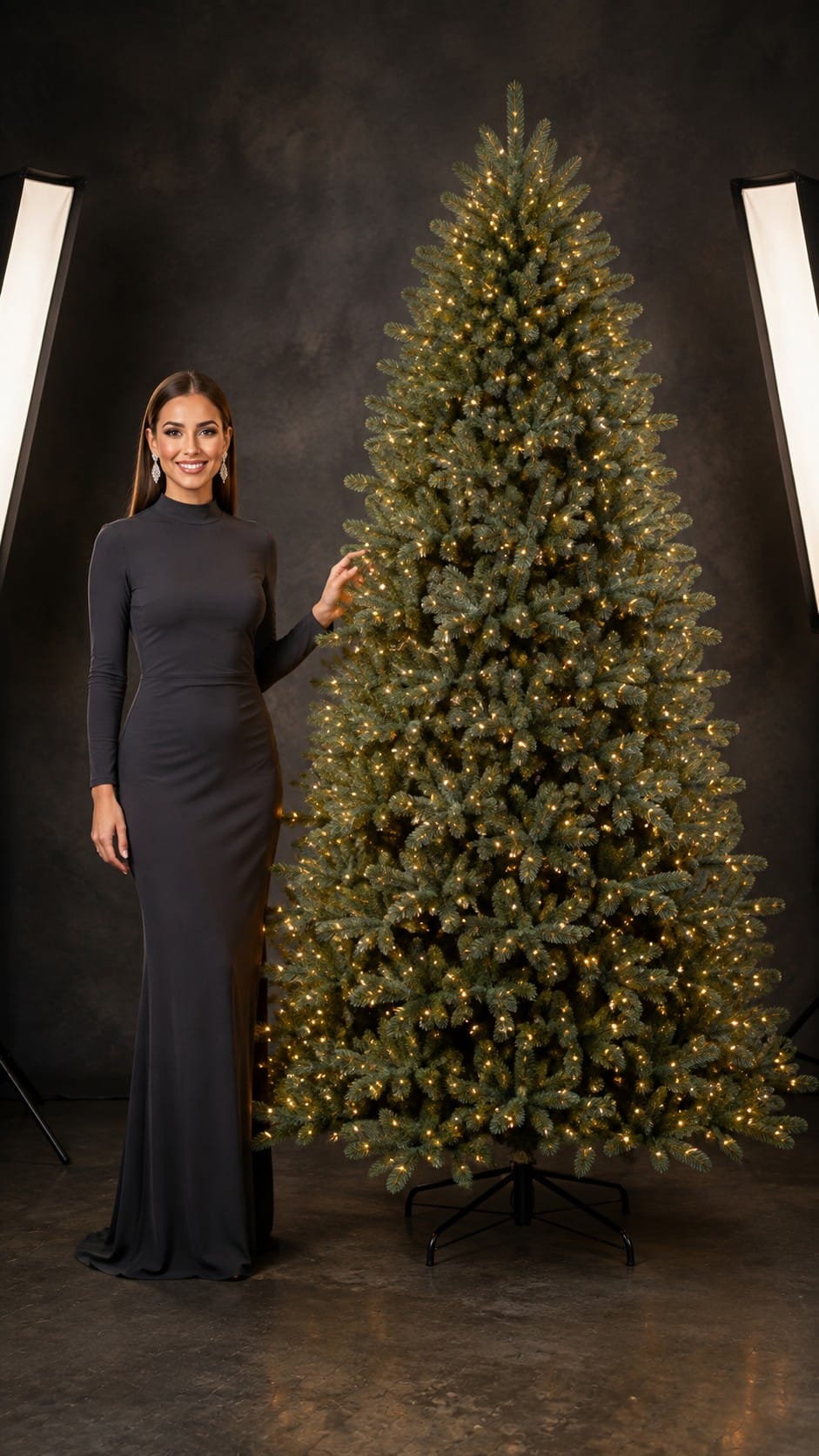
Seventy-four percent of the entire build, in one line.
What the money buys: True Needle foliage moulded from real Fraser fir clippings, lights wired through the branches at the factory rather than wound around outside, sections that connect electrically as they stack, and a fifteen to twenty year lifespan against five or six for a sixty dollar tree.
Across twenty years that is fifty dollars a year. That maths only works if you are genuinely a person who keeps a tree for twenty years. Be honest with yourself about that before you spend it.
One thing to confirm before ordering: the tree offers incandescent, LED or twinkly lighting, and the listing does not say whether the included spare bulbs fit all three. On a twenty year tree, replaceable lighting is not a footnote.
2. Lights
Nothing to buy. This is the only tree in the series where that is true.
Worth pricing honestly: every other host spends between fifty-seven and seventy-five dollars on lights. So the tree is really a nine hundred and thirty dollar premium over a sixty dollar unlit tree, not a nine hundred and forty dollar one.
It also saves an evening of wrapping and the annual argument about which strand died. Factory wiring runs through the branches rather than around them, which is why a pre-lit Balsam Hill glows from inside in a way a hand-wrapped tree only manages if you are patient.
3. Ornaments
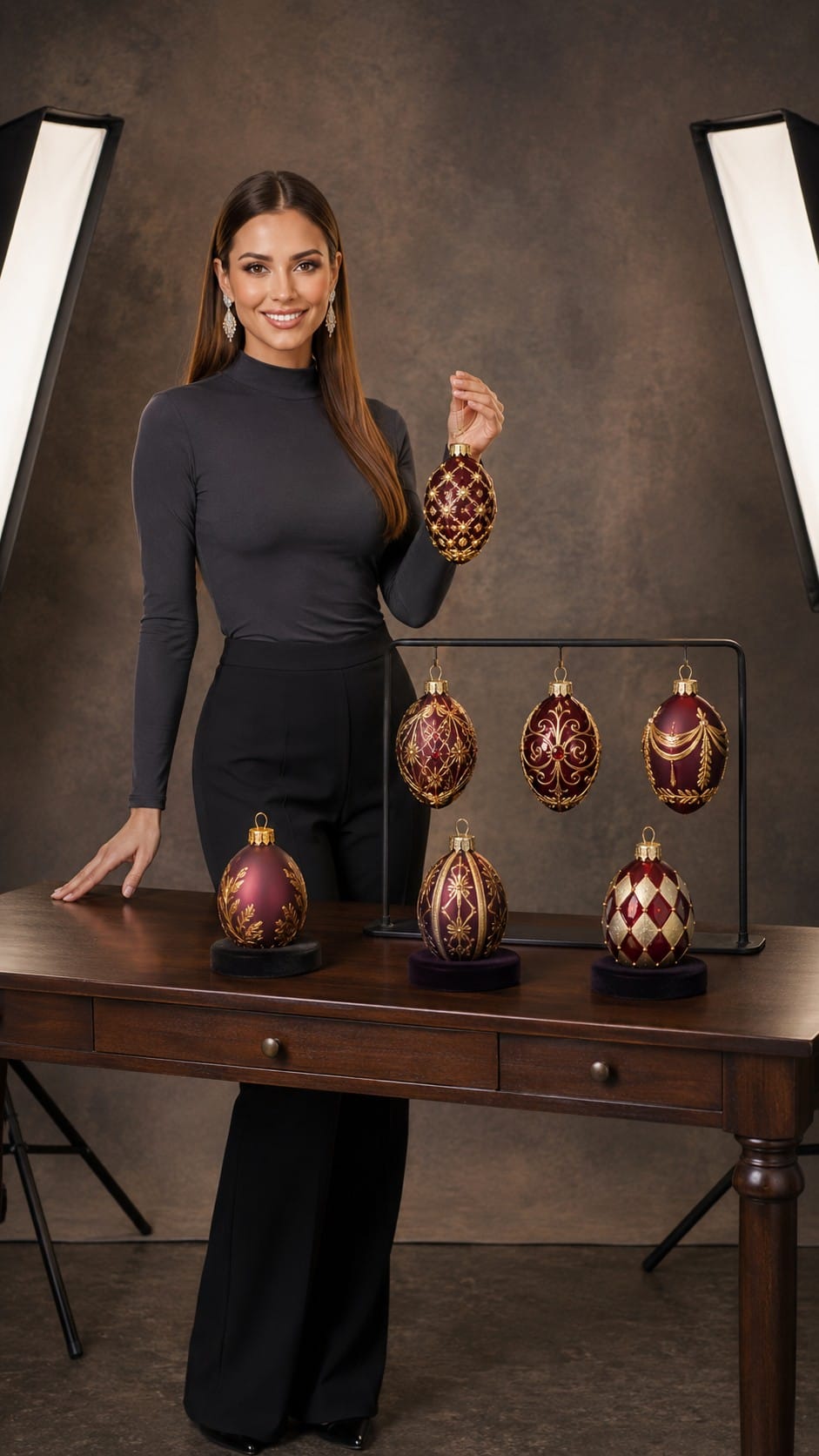
Two packs. Twelve ornaments. A hundred and ninety-eight dollars, at sixteen fifty each.
Twelve ornaments does not decorate a seven and a half foot tree, and it is not meant to. These are focal points, not coverage — objects a guest walks closer to look at.
The tree needs seventy-five to a hundred and fifty ornaments for actual coverage. At sixteen fifty each that would be over two thousand dollars, which would be a genuinely foolish way to spend money. Budget forty to fifty dollars for a plain burgundy and gold set to do the filling. That is not in the total above and you will need it.
Cluster the twelve at eye level on the side facing the room. Even spacing on twelve pieces reads as sparse; clustering reads as deliberate.
Shop the ornaments Idea List →
4. Ribbon
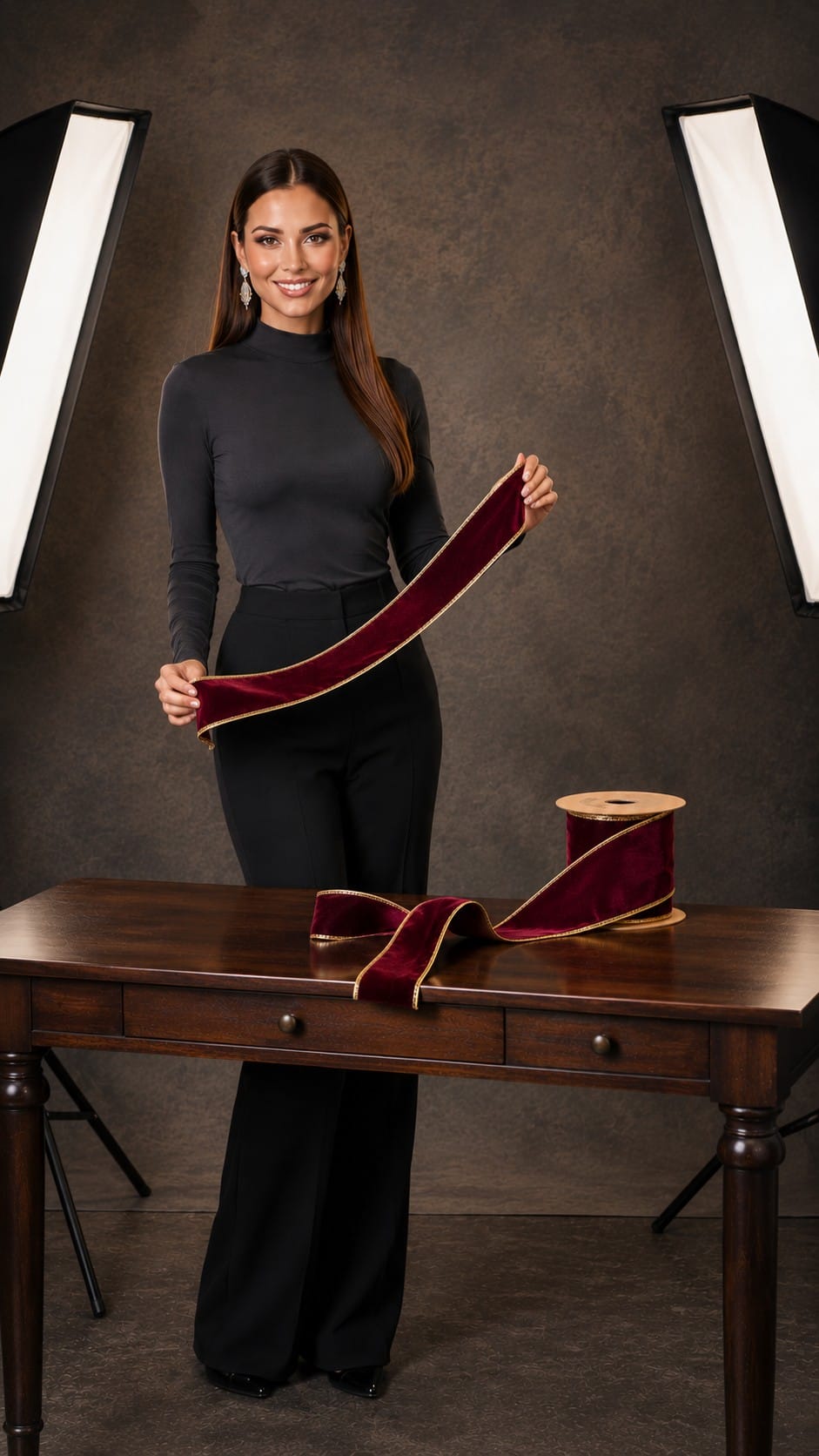
Four inches wide, not the two and a half everyone else uses. On a 7.5ft tree, narrow ribbon reads as string.
Proportion is the whole discipline of formal decorating — larger trees need larger gestures, or an expensive tree ends up looking like a big tree decorated with small-tree supplies.
Burgundy velvet with a gold edge and a metallic back, so the ribbon gleams when it twists rather than showing you an unfinished reverse.
Honest caveat: the listing states the width but not the yardage per roll. I bought three assuming ten yards each. If they are five, you need six. Confirm before ordering.
5. Fillers and picks
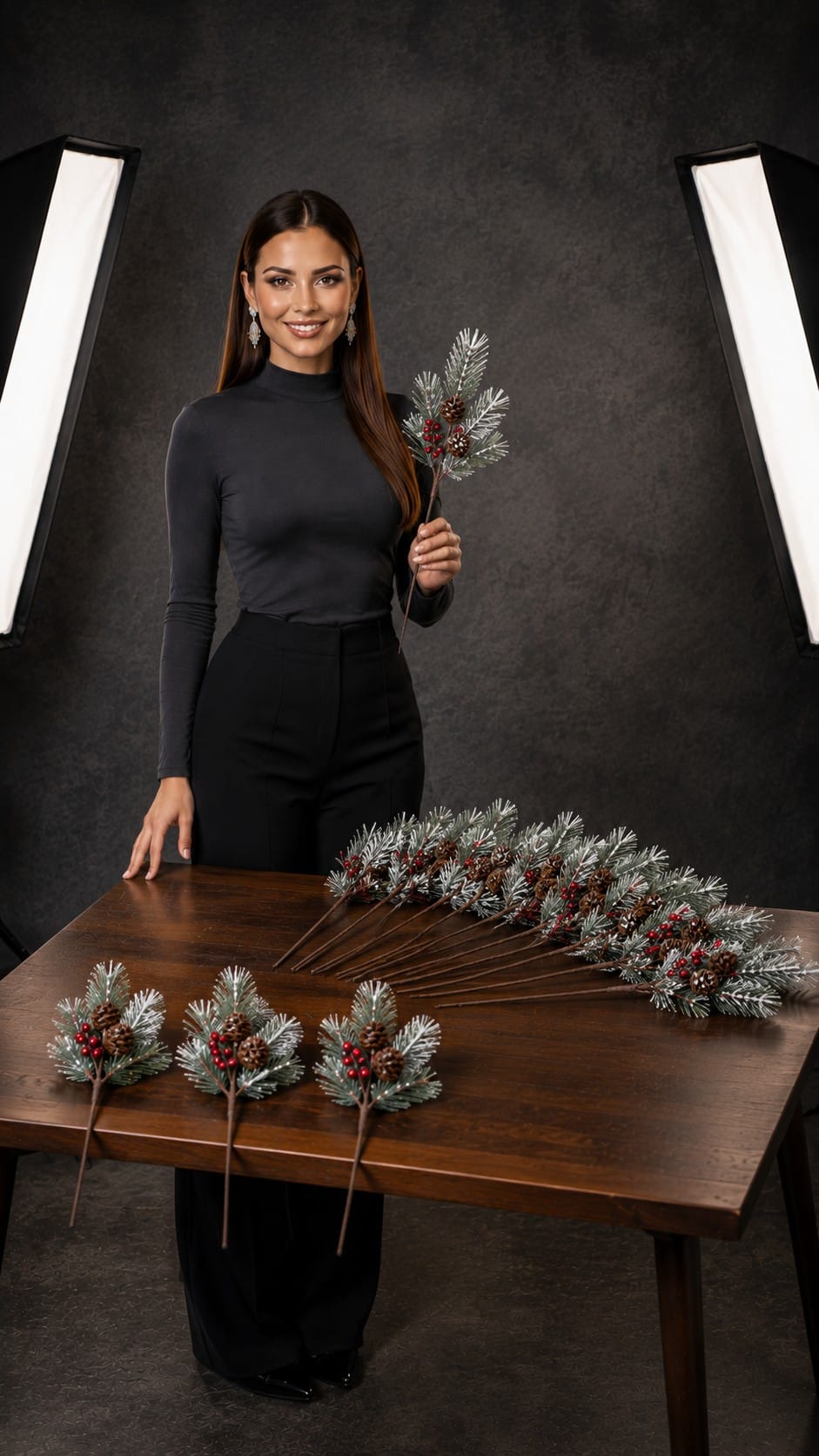
Two packs, ninety-six pieces. Pine branches, cones and berry stems with a light dusting of faux snow.
Forty dollars, and on a tree this expensive it is the cheapest thing doing the most obvious work. Fillers give a formal tree the irregularity that stops it looking staged — real trees have branches and cones, and a tree that has only spheres and ribbon on it looks like a display.
A 7.5ft tree wants around ninety-six tucked in. Worth checking whether the 98-count option costs less than two 48s.
6. The base
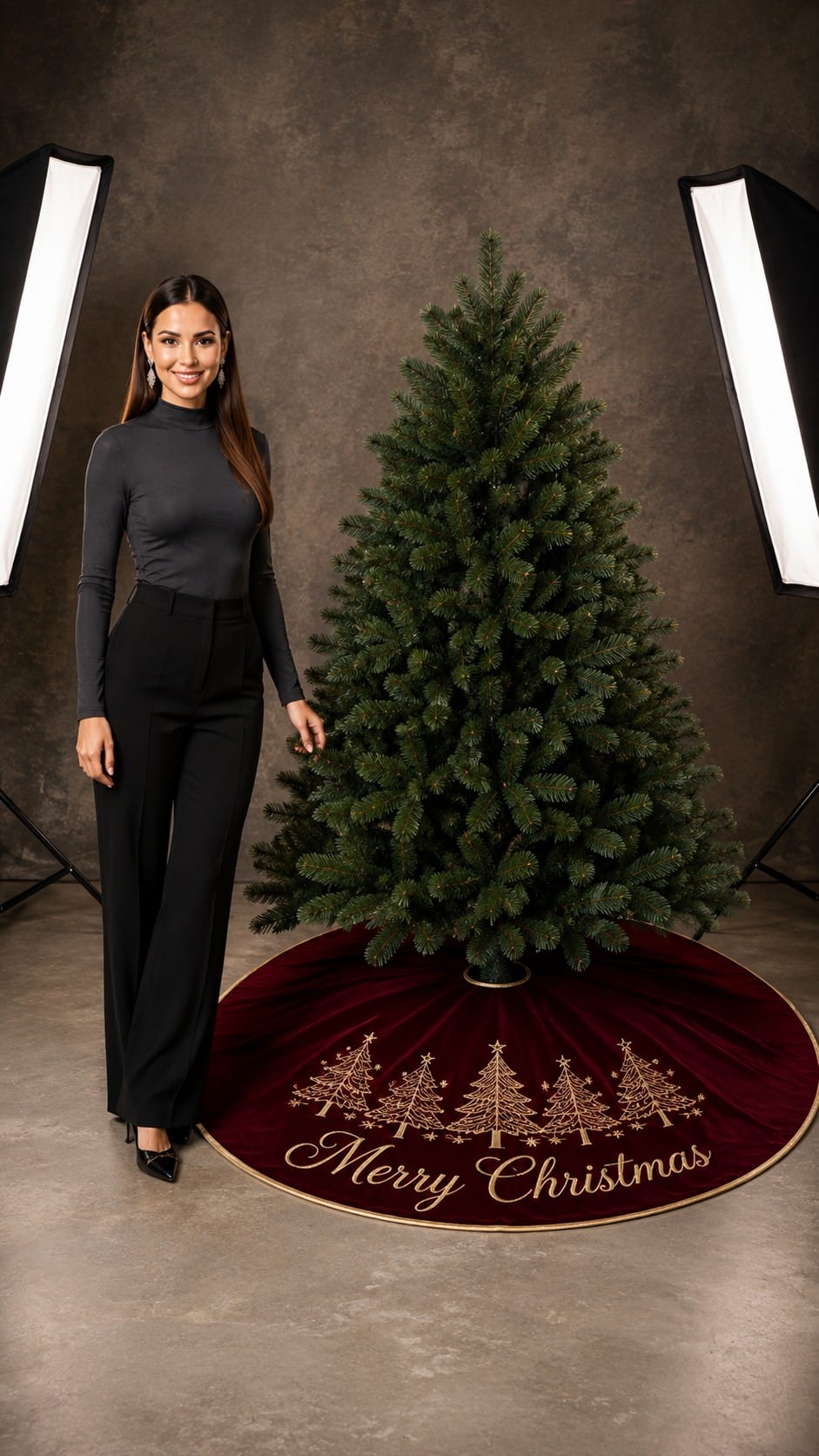
Fifty inches of red velvet with gold embroidery and bow closures.
Fifty inches on a 7.5ft tree is a proper fit rather than an oversized one. Velvet at the base echoes the velvet in the ribbon, which is the kind of repetition that makes a formal room feel composed rather than assembled.
A skirt rather than a collar here, deliberately. Collars are contemporary and tidy. A pooled velvet skirt is the traditional choice and it suits a tree built to look like it has always been there.
The honest version of this build
Two decisions account for nearly ninety percent of the cost: a thousand dollar tree and twelve ornaments at a hundred and ninety-eight.
Everything else — ribbon, fillers, skirt — comes to a hundred and sixty-one dollars, and it is all excellent.
So here is the version I would actually recommend to most people who like this look. Buy a good sixty dollar tree and six hundred warm white lights. Buy this ribbon, these fillers, this skirt. Buy one pack of the Bordeaux baubles instead of two, as six focal points rather than twelve. Fill the rest with a plain burgundy and gold set.
That comes to roughly three hundred and thirty dollars and it will look ninety percent as good.
The remaining ten percent is real, and it is what a thousand dollars buys. But it is ten percent, and you should know that before you spend it.
What heritage decorating actually means
Not spending more. Buying fewer things and keeping them.
Twelve ornaments at sixteen fifty used once is indefensible. Twelve ornaments unwrapped every December for twenty-five years and eventually handed to someone is sixty cents a year, and it is a different proposition entirely.
The question is never whether something is expensive. It is whether you are the kind of person who keeps things. If you are, buy well once. If you are not — and most people are not, and that is fine — buy beautifully and cheaply and enjoy it just as much.
The bottom line
One thousand three hundred and fifty-nine dollars, three quarters of it in the tree, and a three hundred and thirty dollar version that gets you most of the way.
Add forty to fifty dollars for coverage ornaments regardless of which version you build. Twelve statement pieces do not fill a tree, and no amount of money changes that.
Darlings, always,
— Lexi 🖤

Post Comment