Neutral Christmas Tree: The Whole Build for $301
Nikki here.
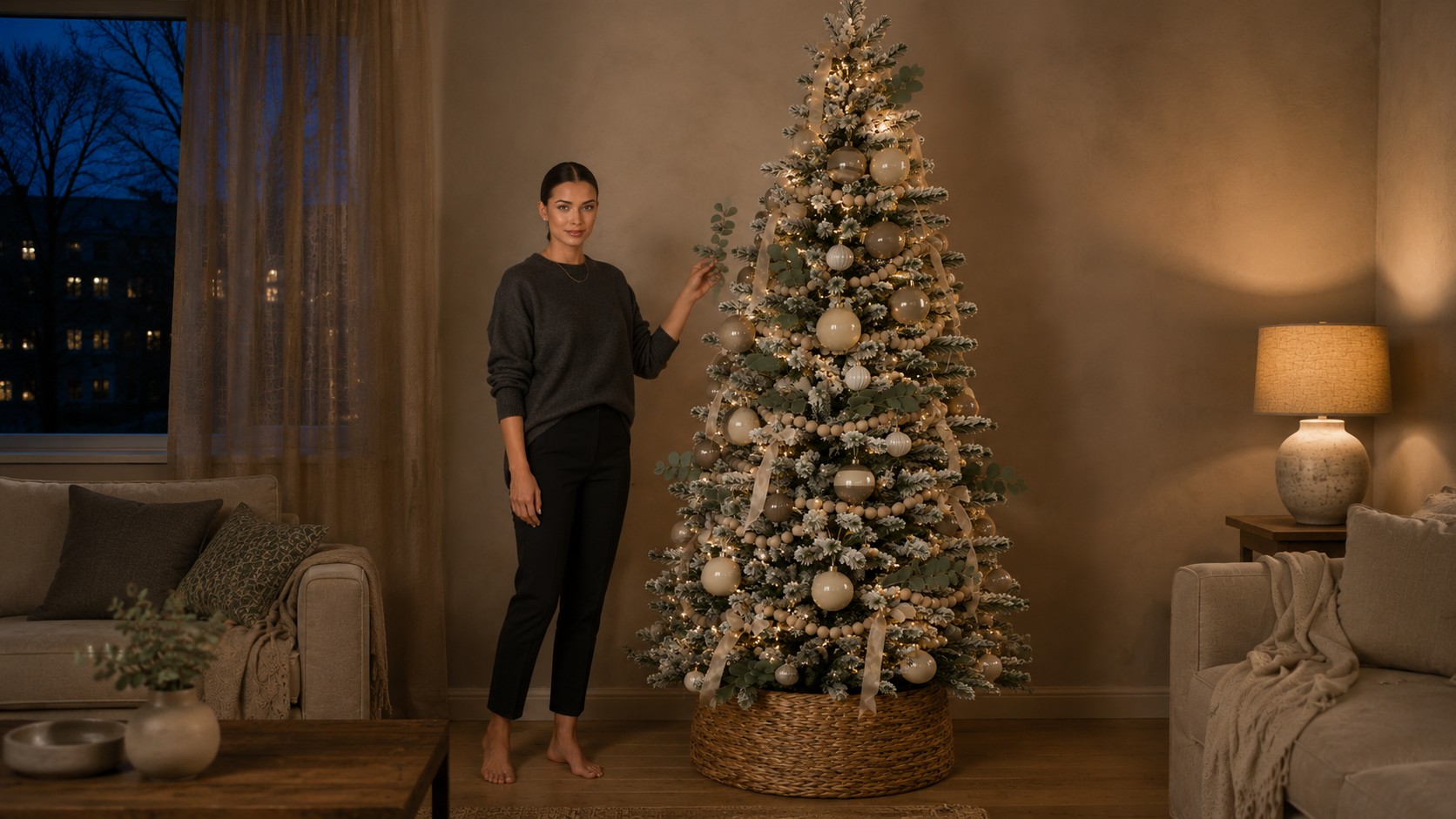
A neutral tree is harder than a colourful one, and not for the reason people assume. It is not that the palette is restrictive. It is that when you remove colour, every other decision becomes visible — texture, spacing, how much light, how much empty branch.
Get those right and it looks expensive. Get them wrong and it looks unfinished, and nobody can tell you which one you have until it is up.
So here is the whole build, three hundred dollars, and the reasoning behind each quantity. Two of them deliberately go against the standard advice.
The six layers
| Layer | What I used | Qty | Cost |
|---|---|---|---|
| The tree | Yaheetech 6ft flocked, 920 tips | 1 | $69.99 |
| Lights | CXLHO warm white, 100ct | 5 | $74.95 |
| Ornaments | Suilung neutral textured, 24ct | 2 | $51.98 |
| Ribbon | Ribbli linen, 10yd | 2 | $23.98 |
| Fillers | Chflost dried botanicals, 120+ | 1 | $29.99 |
| Base | Kordes hyacinth collar, 27″ | 1 | $49.99 |
| Total | $300.88 |
1. The tree
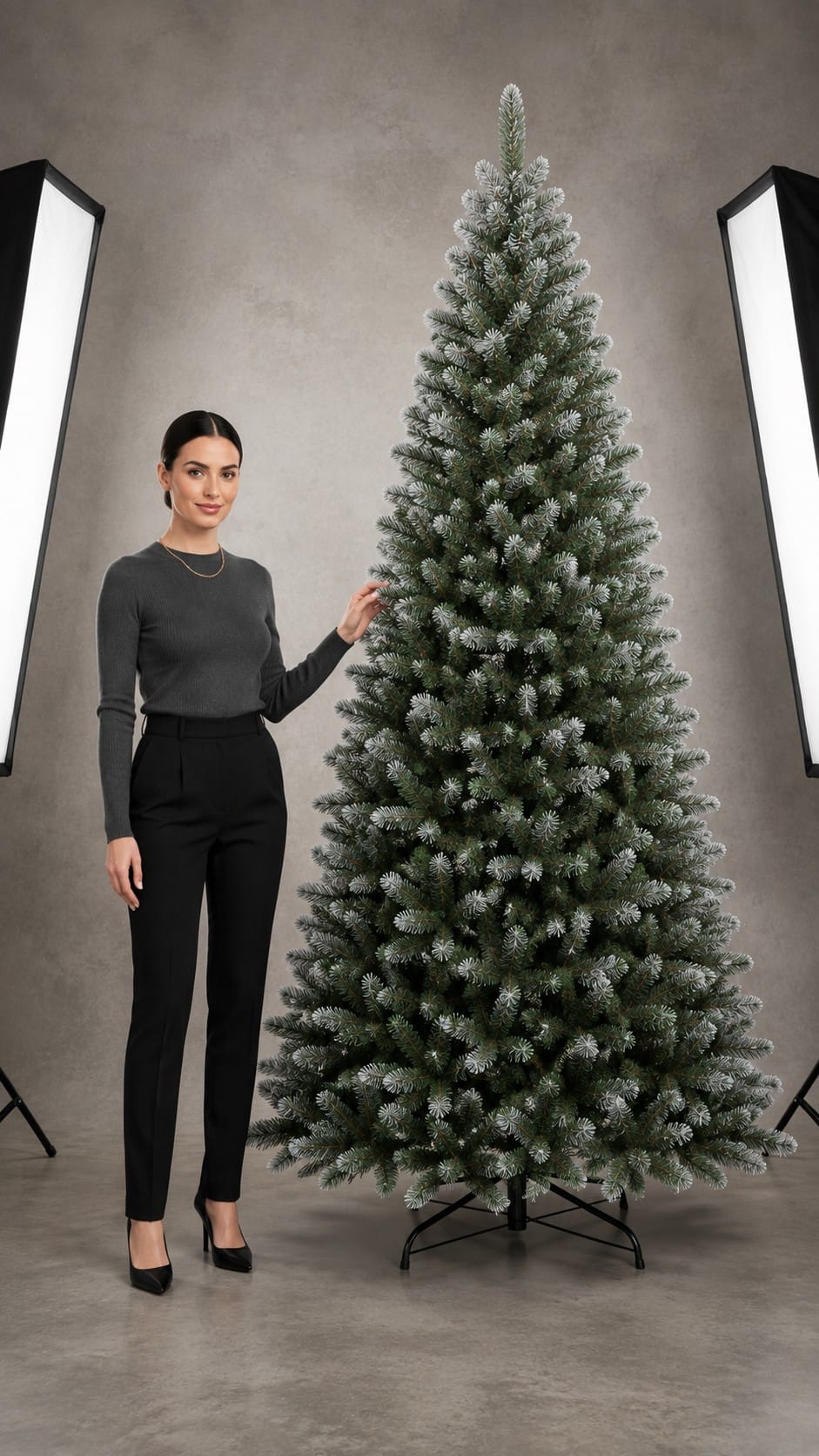
Flocked, 920 tips, sixty-four real pinecones already wired on.
Flocking is not just a look. It reflects light, which means fewer light sets, and it makes the tree itself part of the palette instead of a large green object in a cream room.
One honest note: 920 tips is a full tree, not slim. Most neutral styling assumes a slim silhouette for the negative space. You get that lightness here from the pale branches instead of from the shape. Different route, same destination — but it does change how many ornaments you hang.
2. Lights
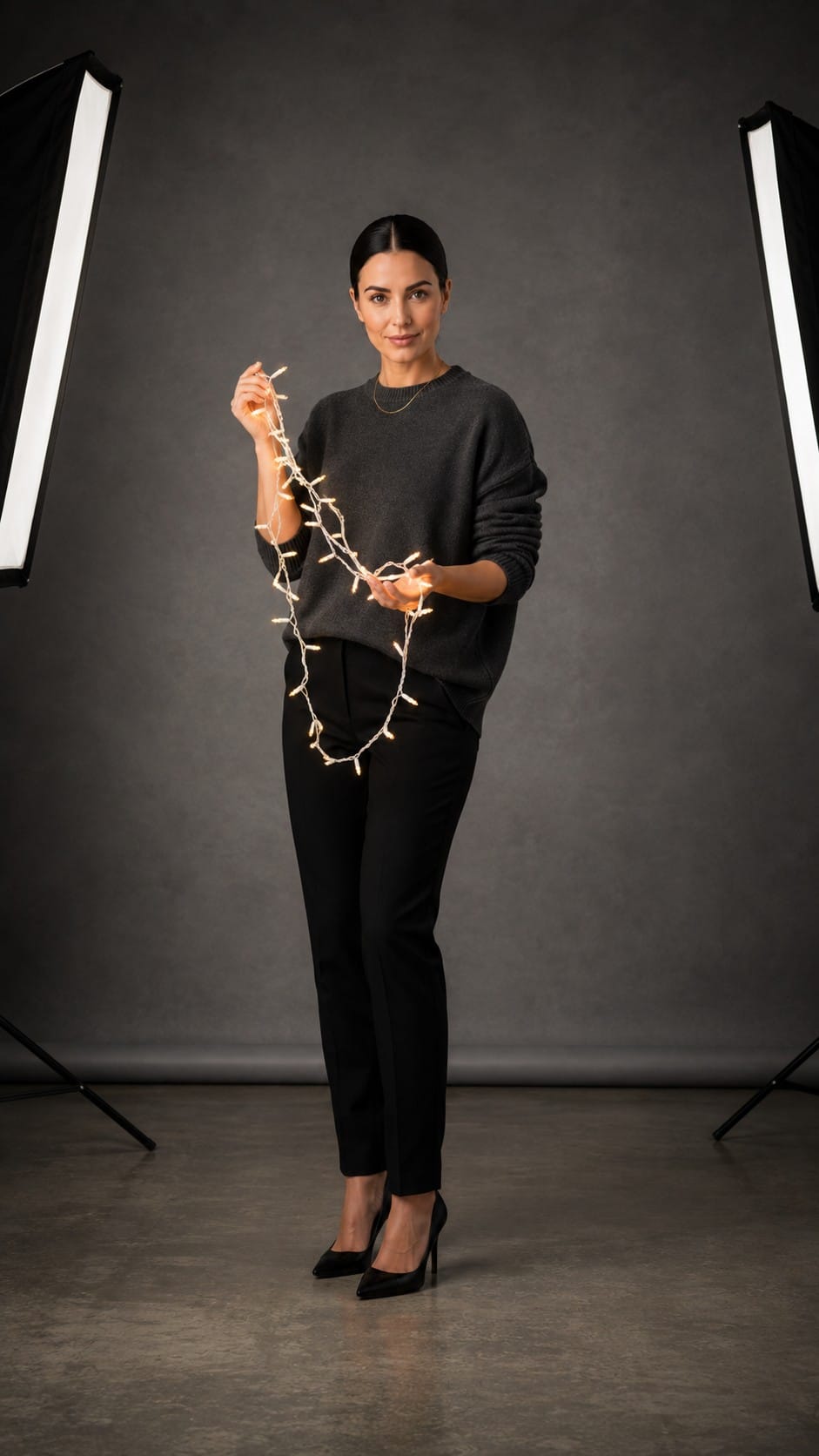
Five sets, not six. This is the first place I break the rule.
The standard is a hundred lights per foot, which would be six hundred. On a flocked tree, five hundred is right — the white branches reflect, so every bulb reads brighter. Six hundred tips over into glare.
White wire, which vanishes into pale branches where green wire would draw dark lines across them.
Check the variant carefully. This listing has ten colourways and one of them is pink.
3. Ornaments

Two packs. Forty-eight ornaments. This is the second and bigger rule break.
Ten to twenty per foot would be sixty to a hundred and twenty. I hung forty-eight, because the gaps are the point. Those visible flocked branches are the palette, and covering them turns a quiet tree into a busy tree in beige.
Texture is doing the work colour usually does — ribbed, matte and smooth in a narrow band of cream, bone and taupe. Do not mix in anything shiny or it will win and the texture disappears.
Shop the ornaments Idea List →
4. Ribbon
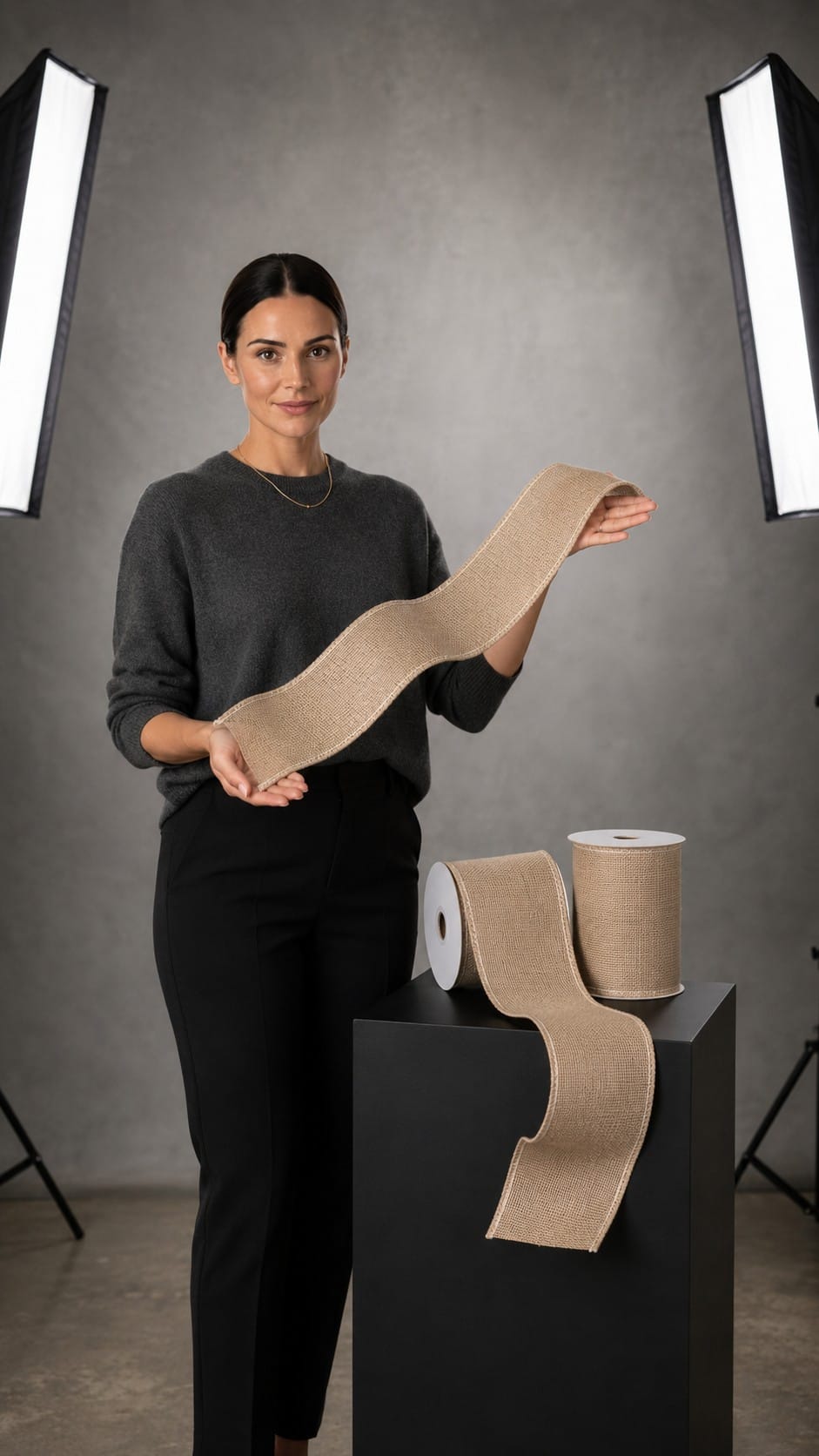
Two rolls of ten yards, 2.5 inches wide, natural linen in beige. Wired on both edges so it holds a shape.
Roughly nine feet of ribbon per foot of tree if you are running vertical cascades with tails, which is about fifty-four feet on a six foot tree. Two rolls covers it.
Vertical, not wrapped. Loose cascades from the top with the tails left hanging. Linen is the right fabric here because it has texture without shine — velvet would read as glamour and satin would read as a wedding.
5. Fillers
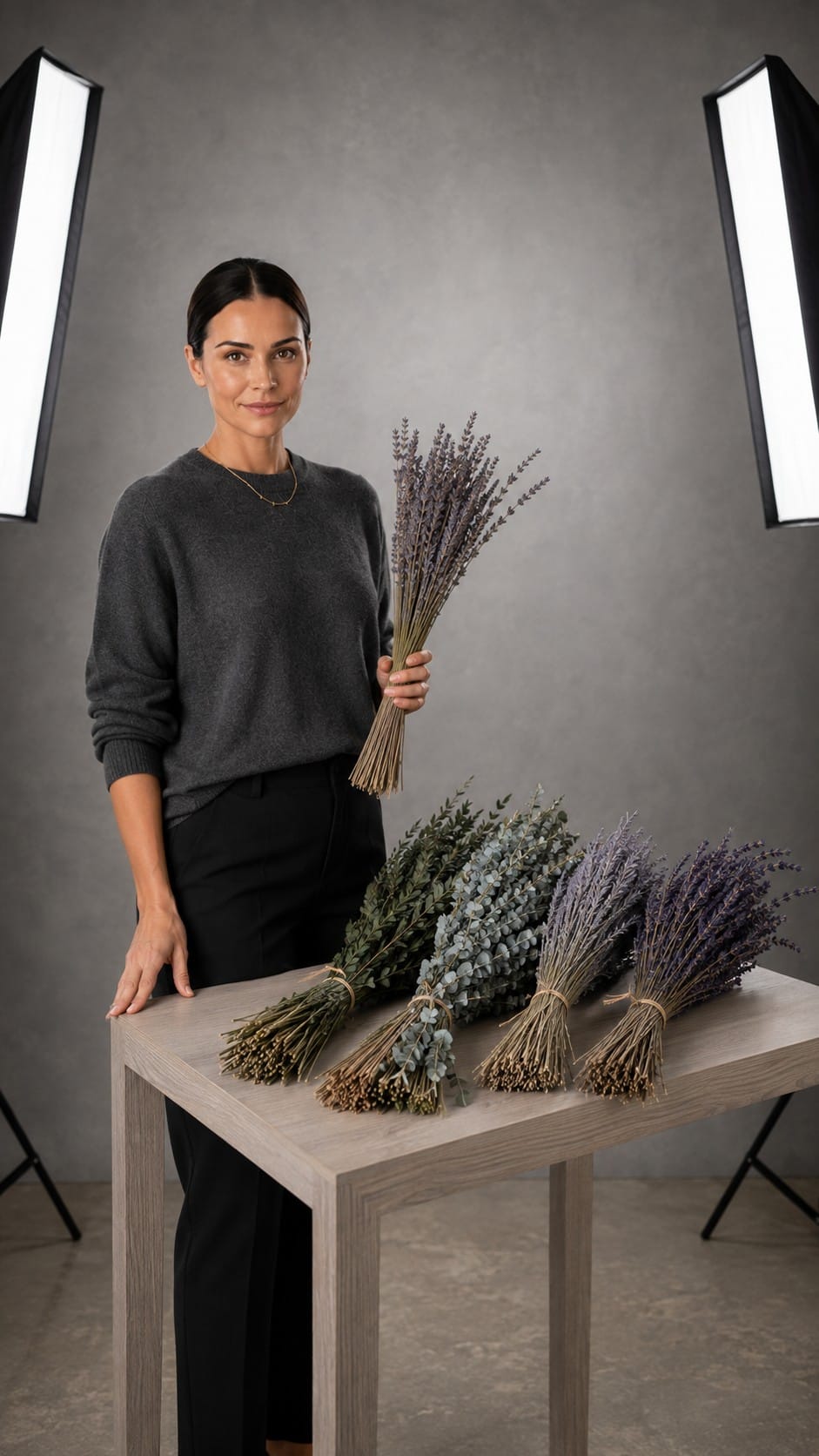
One pack, 120+ stems of dried eucalyptus. Real botanicals, which is why they read as texture rather than as craft-store filler.
Tuck them in. Do not cover with them. Three or four stems in a cluster, then a gap, then another cluster — the same restraint that governs the ornaments.
One thing to check before ordering: this set includes lavender as well as eucalyptus, and lavender is purple. On a tree with no other colour on it, that is a decision rather than an accident. If you want none, look for a eucalyptus-only variant.
6. The base
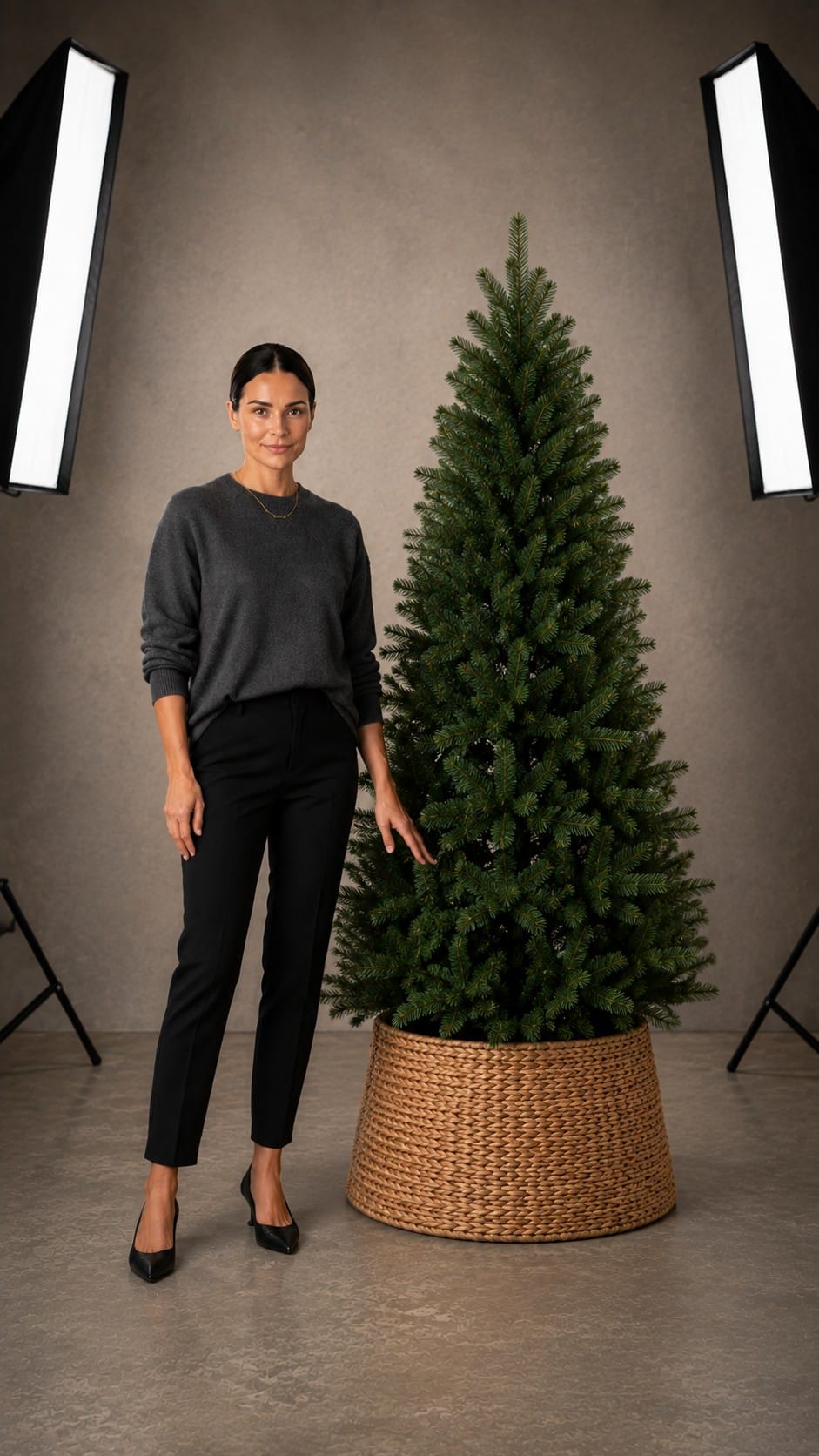
A hand-woven water hyacinth collar, 27 inches, flared to fit most stands.
Woven natural fibre is the right base for this tree because it introduces warmth and texture at floor level without introducing colour. A fabric skirt would flatten the whole thing.
Measure your stand before ordering. 27 inches is generous on a six foot tree, and buyers note visible gaps where the panels meet.
The two rules I broke, and why
Five light sets instead of six, and forty-eight ornaments instead of ninety.
Both come from the same place. A flocked tree gives you back things a green tree takes: it reflects light, so you need less of it, and its branches are worth looking at, so you cover fewer of them.
If you build this on a green tree, put both numbers back. Six sets and eighty ornaments, or it will look sparse rather than restrained — and the difference between those two is the entire game.
The mistake almost everyone makes
Adding one more thing.
A neutral tree looks unfinished at exactly the moment it is finished. There is a stage, usually around forty ornaments in, where the instinct is that something is missing. It is not. That is what the look is supposed to feel like up close.
Walk to the far side of the room before you add anything else. Almost every over-decorated neutral tree was decorated from two feet away.
The bottom line
Three hundred dollars, and the tree is the cheapest thing on the list. Lights and ornaments are half the total, which is true of every tree in this series regardless of style.
What makes this one work is knowing where to stop.
Chic always,
— Nikki 🤍



Post Comment